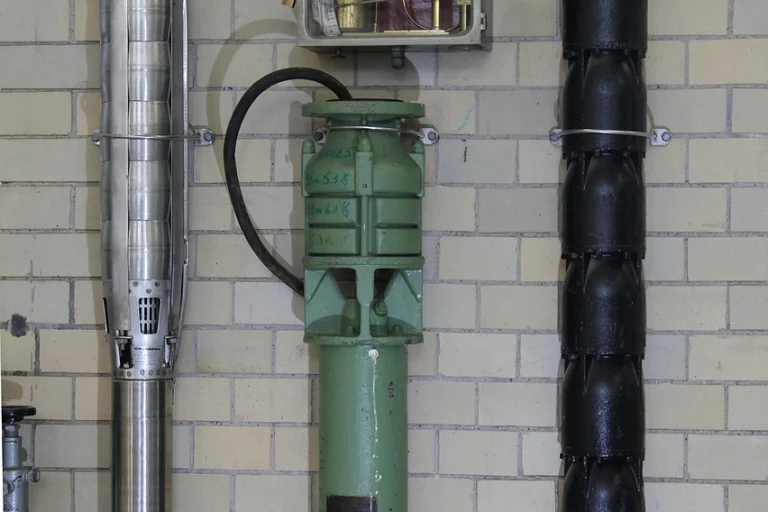
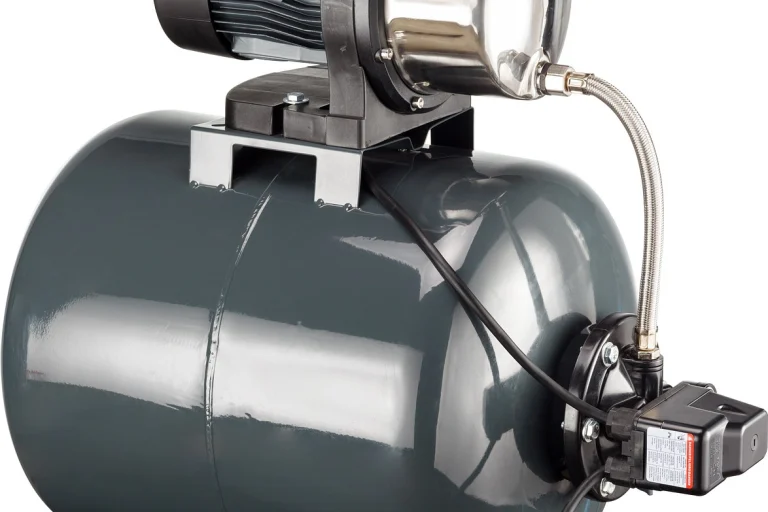
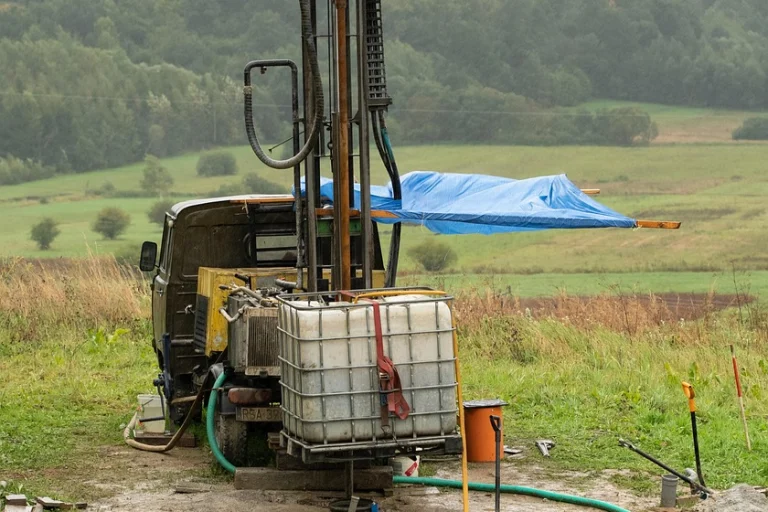
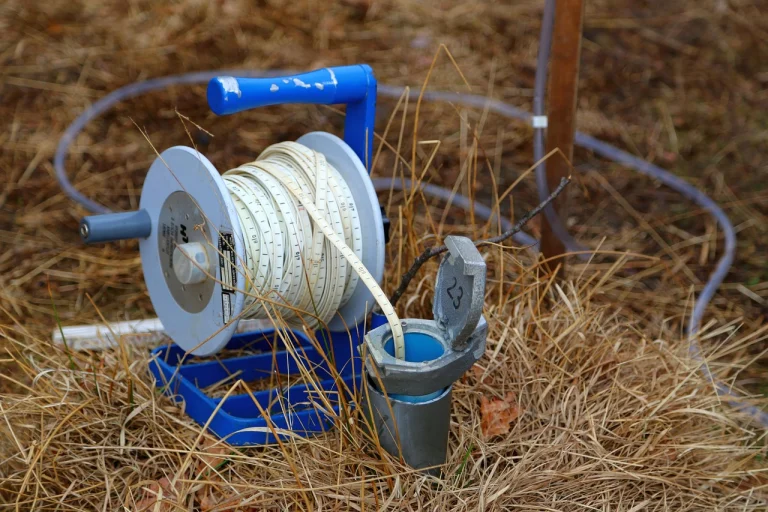
The Private Well is an independent, plain-English guide for US households on a private well. It covers the hardware and the paperwork: well pumps, pressure tanks and switches, no water and pump problems, drilling and new wells, inspection and upkeep, and shared wells, old wells and paperwork, including permits, setbacks, who may do the work in each state, and USDA loans and grants.
General information, not professional advice. Your pump and tank makers’ manuals and a licensed well or pump contractor decide what’s safe for your system; your state or county decides what needs a permit or a licence.
What we do
Three kinds of source decide almost everything about a household well: the maker’s document for the pump, tank or switch, the state’s well code, and the licensed contractor who sees the system. They often say different things, and much of what is written about wells blurs them. Ohio’s private water systems rule lets an owner repair their own home’s system, including replacing a pump or pressure tank, without a permit or registration (OAC 3701-28-01 and 3701-28-18(A)(2)(b), read 11 November 2026). Wisconsin’s DNR says only licensed pump installers may install and replace pumps and pressure tanks on potable wells (PUB-DG-002, 2025, read 11 November 2026). And the pump makers’ own manuals put the electrical work with qualified people whatever the state allows: Goulds says all electrical work must be done by a qualified technician (IM096 Rev 14, p. 1), Franklin Electric that its motors are installed and serviced by technically qualified personnel (AIM Manual M1311, 2026, p. 5), both read 11 November 2026.
So each page keeps those voices apart. A problem page gives the checks in order: first what you can check, using only the steps a maker or a public agency gives owners, with the power off and each step cited to the maker’s document by number, revision and page; then where the makers say a licensed pump installer, well contractor or electrician takes over; then what that professional will test or do, explained so you can follow the quote. State rules carry their section and the date we read them, and a state we have not read in official text says “not confirmed”. Where a page has a sum, such as tank drawdown, precharge, total dynamic head, flow rate or drilling cost, a calculator shows the arithmetic on numbers you enter. Our how we check page explains where each kind of fact comes from. Pages are published under The Private Well name.
What we are not
The Private Well is not a well driller, a pump installer, an electrician, a well inspector, a lender, a parts seller or a government agency. We give general information, not professional advice. We have not seen your well, your pump, your tank or your paperwork, and we can’t diagnose a system, read water test results, review a quote or a well log, or say whether a price is right. We give owners only the steps the makers give owners, with the power off first, and we explain the rest: pulling a pump, wiring, control boxes, capacitors, and replacing a switch or a tank are described in full so you understand the job, with no steps. Wiring at 115 or 230 volts goes to a qualified electrician or a licensed pump installer. Your equipment maker’s manual, a licensed well or pump contractor, and your state or county decide.
We don’t cover water quality: testing, test results, treatment and filters are out of scope here. After a repair that opens the well, or after a flood, test the water, and use the EPA’s private well pages, the CDC or your state health department or lab for how. Septic tanks and drain fields are also out of scope, except as a setback measured from the well.
How we are funded
The Private Well is free to read and is funded by display advertising. Ads may not appear yet while the site is new. Once they run, some may come from drillers, pump and tank makers, retailers, lenders or other companies that sell to homeowners. An ad is not an endorsement, a referral or a recommendation, and advertisers have no say over what we publish. Nobody pays us anything to read a page or use a calculator.
How we stay independent
- No affiliate links. We earn nothing if you buy a pump, a tank or a part, or hire anyone, after reading a page.
- No paid placements. Nobody can pay for coverage, a mention or a better position.
- No sold leads. We collect no details about your well to pass on to drillers, installers, inspectors, lenders or anyone else.
- No referrals. We don’t name, recommend or rank drillers, pump installers, electricians, inspectors or lenders, and we offer no “find a pro” or “get quotes” service.
- No product sales or rankings. We sell nothing, and we never call a pump, a tank, a switch or a brand “best”. Makers are named only as the publishers of their own documents.
That is why our pages can say things a seller might not: that a tank which keeps losing its air charge is one Amtrol says not to refill, that a common figure for how long a pump lasts has no maker or association source behind it, or that a USDA loan figure you saw elsewhere is out of date.
How pages are checked
Every page gets a fact-check against its sources, separate from the writing, and a final review before it is published. Each page ends with the date its sources were checked. Our editorial policy sets out each step, sources we use lists the documents behind the site, and how we estimate costs explains the price pages.
Where to start
If your taps just went dry, start with no water from your well or the well pump troubleshooting guide, which takes each symptom in order. If your pump clicks on and off, the precharge and switch settings calculator shows the figures the makers give for your switch setting. If you are planning a new well, what a well costs to drill sets dated public figures side by side, and well permits explains who to ask in your state. If you wonder whether you may do pump work yourself, can I replace my own well pump gives each state rule we have read beside the makers’ line. If a breaker trips again, your pump has been under water, or your well is open or damaged, leave the power off and call a licensed well or pump contractor or an electrician.
Mistakes and questions
Our corrections page logs what we have fixed, and our contact page says how to reach us. Please read our disclaimer too.